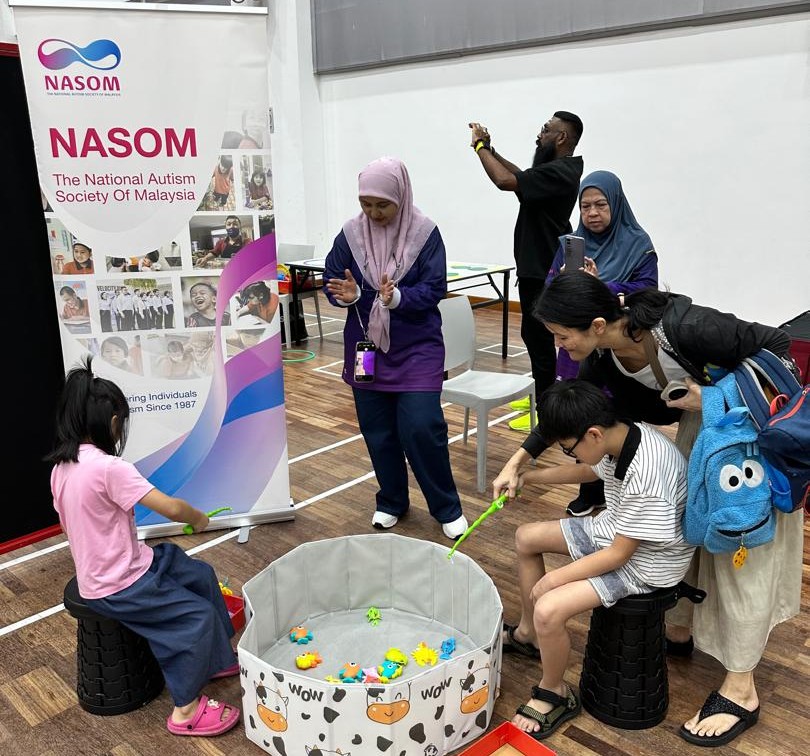
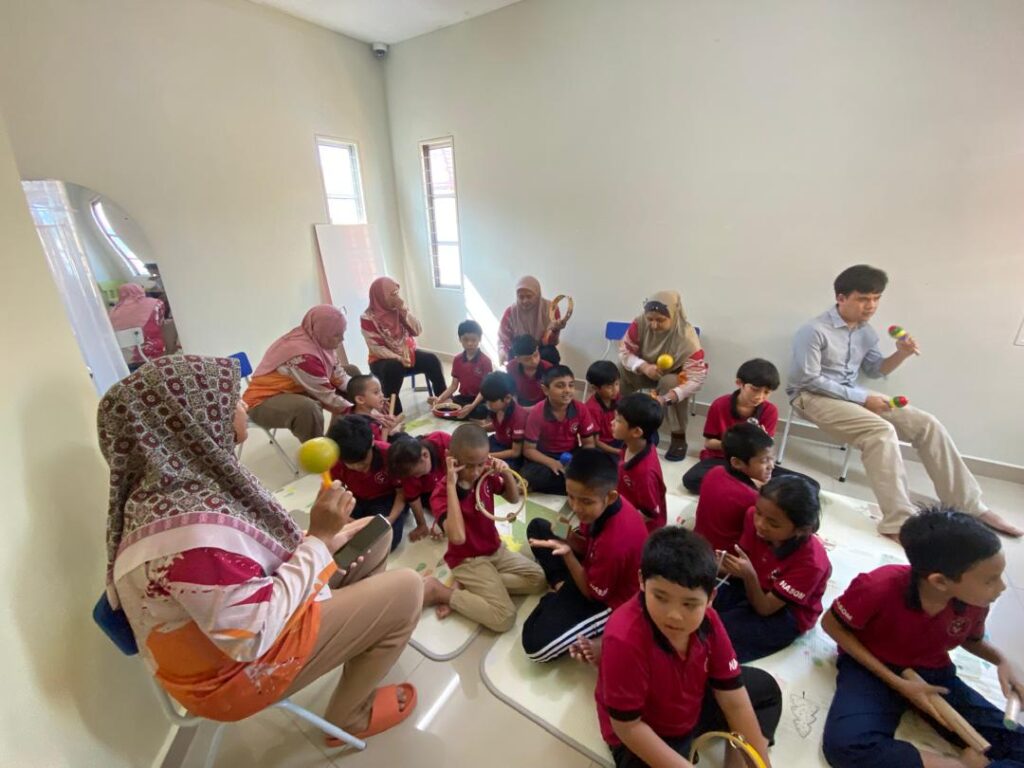
Play is an important part of learning for children with Autism Spectrum Disorder (ASD). Through simple and structured games, children can improve communication, focus, emotional regulation, and social interaction in a fun and stress-free way.
1. Matching Games
Matching cards, shapes, or pictures helps children build memory, attention, and recognition skills. It also improves focus and understanding of patterns.
2. Puzzle Activities
Puzzles are great for developing problem-solving skills and hand-eye coordination. They also help children learn patience and persistence.
3. Board Games
Simple board games like turn-based activities teach sharing, waiting, and following rules. These skills are important for social development.
4. Memory Games
Memory card games help improve cognitive skills and concentration while making learning interactive and enjoyable.
5. Sorting Games
Sorting objects by color, size, or shape helps children develop logical thinking and classification skills.
6. Role-Play or Pretend Games
Pretend play encourages imagination and social interaction. It helps children understand real-life situations and express emotions.
Conclusion
Games are more than just play—they are powerful learning tools for children with autism. With the right activities, children can build essential life skills in a supportive and enjoyable way.